

SERVICES
Lattice Fence Extensions
We add lattice above existing fences to increase screening and help reduce overlooking into gardens and outdoor living areas.
GET A FREE QUOTE
100% local
18+ years experience
INSURED
Trusted Local Business
What Are Lattice Fence Extensions?
Lattice fence extensions add an open-pattern screen to the top of an existing fence. Homeowners often consider this option when nearby windows, balconies or elevated gardens overlook their outdoor areas. The lattice increases the height of the boundary while allowing some light and airflow through its open design. It can also create a decorative finish along the top of a timber fence.
Before adding an extension, the existing fence needs an assessment. The posts, rails and connections must support the additional structure, and the proposed height needs to suit the property and local requirements. A fence that already leans, has loose posts or shows signs of timber decay may need repairs before an extension makes sense. For properties in Bentleigh, the layout of neighbouring homes and the distance between outdoor areas can influence how much screening is useful. Lattice does not create a solid visual barrier, so the pattern and viewing angle affect how much privacy it provides. Planning these details helps homeowners decide whether an extension meets their needs.
Why Choose Stronghold Fencing for Lattice Fence Extensions
Assessing the Existing Fence
A lattice extension adds height to a structure that already carries wind and weather loads. The condition of the existing posts, rails and connections matters before adding more material above the fence line. Stronghold Fencing works with timber fencing and considers the existing structure as part of the job, helping identify whether the fence needs attention before an extension can be fitted.
Timber Construction Experience
Stronghold Fencing has installed fences since 2008. That experience is relevant when assessing how a lattice extension will sit above a timber paling fence and connect with its existing frame. The condition, height and alignment of the current fence influence the installation. We consider how the extension will meet the fence rather than treating the lattice as a separate decorative piece.
Screwed Frame Connections
We screw fence frames together instead of relying on framing nails. Secure connections matter when working with timber fence structures, including the sections that support an extension. The existing frame needs to remain sound, and any installation should use suitable attachment points. We apply our established approach to fence construction when working with timber components.
Installation by Our Own Team
We install our own fences rather than subcontracting the work. For lattice extensions, this means our team carries out the fencing work and considers how the new screen relates to the existing boundary. We focus on the practical fit, the condition of the fence and the proposed increase in height so the finished addition suits the property and its intended use.
What Lattice Fence Extensions Covers
Lattice fence extensions involve fitting an open-pattern screen along the top of an existing fence to increase its overall height. The work includes checking the fence condition, measuring the intended extension and attaching the lattice to a suitable supporting structure. Homeowners may choose lattice to soften the appearance of a fence, add screening above a boundary or reduce direct views into an outdoor area. The amount of privacy depends on the lattice pattern and viewing angle. The completed height must also comply with applicable building and planning requirements.
Signs You Need Lattice Fence Extensions
You may benefit from a lattice extension if neighbours can see directly into your garden, patio or outdoor seating area from nearby windows or raised ground. Look for sightlines that pass over the top of the existing fence, particularly when standing or sitting in the area you want to screen. An extension may also suit a boundary that feels visually exposed despite having an intact fence. Before proceeding, check for leaning posts, loose rails, cracked timber or rotting sections. These signs indicate that the existing fence may need repair before it can support additional height.
DISCOVER WHAT OUR CUSTOMERS HAVE TO SAY ABOUT US
REVIEWS
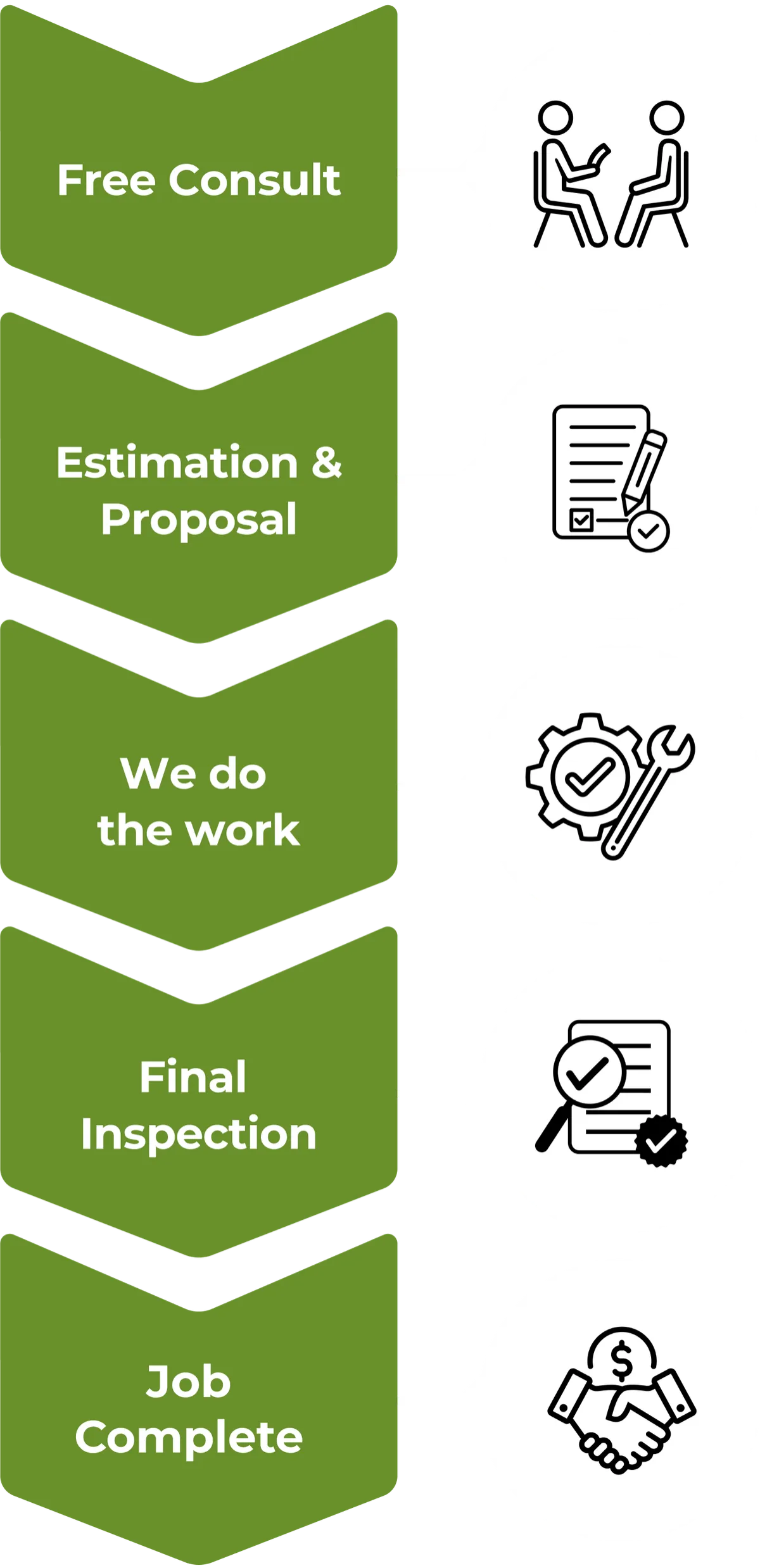
our process
A simple process from first call to finished job.

SERVICE AREAS
proudly serving Bentleigh

FREQUENTLY ASKED QUESTIONS
Your questions answered
Does lattice fencing provide complete privacy?
Lattice provides partial screening rather than a solid visual barrier. The amount of privacy depends on the size and shape of the openings, the angle of view and the height of the screen. If you need to block a direct view completely, consider whether an open lattice pattern will meet your needs before choosing an extension.
Can lattice be added to an existing timber paling fence?
Yes, lattice can often be fitted above an existing timber paling fence if the structure is in suitable condition. The posts and rails need to support the added height, and the attachment method must suit the fence. A leaning or deteriorated fence may need repairs first. The overall height should also be checked against local requirements.
Will a lattice extension make my fence too high?
It can. The relevant height generally includes the existing fence and the lattice fitted above it. In Victoria, permit requirements depend on the total height and the property's circumstances. A side or rear boundary fence that exceeds 2 metres may require a building permit, and planning controls can also apply. Check with your local council before work begins.
Do I need my neighbour's permission to add lattice to a shared fence?
A shared boundary fence affects both properties, so discuss the proposed extension with your neighbour before making changes. The fence may be jointly owned, and increasing its height can affect the neighbour's outlook or other interests. You should also check local council requirements and any applicable property restrictions before proceeding.
Can lattice extensions be fitted to a fence that is leaning?
The cause of the lean should be assessed before adding an extension. Loose posts, deteriorated timber or weak frame connections can affect the fence's ability to support extra height. Adding lattice without addressing these problems may place further strain on the structure. Repair or replacement may be needed before the extension can be installed.
READY TO take the next step?
get a free quote TODAY!
Stronghold Fencing
South East Melbourne
