

SERVICES
Timber Fencing in Sandringham, VIC
GET A FREE QUOTE
100% local
18+ years experience
INSURED
Trusted Local Business
Timber Fencing in Sandringham
Sandringham has a well-established residential character, with Californian bungalows, post-war brick and weatherboard homes alongside renovated properties and contemporary infill developments. Many houses have gardens and outdoor areas that rely on fencing to separate neighbouring blocks and provide privacy. Around the suburb's residential streets, an older timber fence may need attention when palings become loose, posts begin to lean or gaps appear between boards. Renovations can also create a reason to replace an existing boundary or reconsider access between the house and backyard. Choosing a suitable fence involves more than selecting timber palings. Property owners should consider the boundary position, the condition of the ground and frame, and any local planning controls that apply to the proposed fence. These details are particularly relevant where a new fence needs to sit alongside an established garden or an older home.
Why Choose Stronghold Fencing in Sandringham
Deeper Post Installation for Fence Stability
Sandringham's established residential blocks can have long side boundaries and garden areas that depend on a stable fence. Stronghold Fencing sets posts 25% deeper into the ground than the industry standard. This added depth provides greater support below ground and helps the fence resist movement over time. It is an important construction detail when replacing a leaning fence or installing a new timber boundary.
Frame Connections Built with Screws
Timber paling fences depend on their frames to keep boards in position and maintain the structure along the boundary. Stronghold Fencing screws its frames together rather than using a house framing nail gun. This approach creates secure connections between the frame components and helps reduce the chance of joints working loose. For homeowners replacing an older fence, the frame assembly is an important part of the finished structure.
Extra Palings to Reduce Gaps
Weather conditions cause timber to expand and contract, which can affect the spacing between palings as a fence ages. Stronghold Fencing installs extra palings to account for this natural movement and reduce the likelihood of gaps appearing. This is particularly useful when a fence separates neighbouring gardens or provides screening around a backyard where consistent coverage is important.
One Process for Shared Fence Payments
A boundary fence in Sandringham may sit between two established properties, meaning both owners need to discuss the work and its cost. Stronghold Fencing splits the fencing bill and collects the neighbour's share. This reduces the need for one property owner to manage separate payments or chase the other household for its contribution. Neighbours should still agree on the proposed fence and costs before work begins.
Our Timber Fencing Services in Sandringham
Stronghold Fencing provides timber paling fencing for residential boundaries, as well as timber fence repairs for damaged or ageing sections. Garden gates can provide access through fenced outdoor areas, while lattice fence extensions can add screening above an existing fence where appropriate. Boundary fencing defines the division between adjoining properties and outdoor spaces. Construction includes deeper-set posts, screwed frame connections and extra palings to account for timber movement. For shared boundary projects, Stronghold Fencing also splits the bill and collects the neighbour's contribution.
DISCOVER WHAT OUR CUSTOMERS HAVE TO SAY ABOUT US
REVIEWS
WHAT WE ARE BEST AT
OUR SERVICES
We install timber paling fences with deeper posts, securely screwed frames and extra palings for lasting strength and privacy.
We repair timber fences by fixing damaged palings, loose boards and structural issues to restore strength and appearance.
We install garden gates that provide convenient access while complementing your timber fencing and outdoor space.
We add lattice extensions to existing fences to increase privacy, improve height and maintain a consistent appearance.
We build strong boundary fences and split the bill, collecting your neighbour’s share to simplify shared fencing costs.
our process
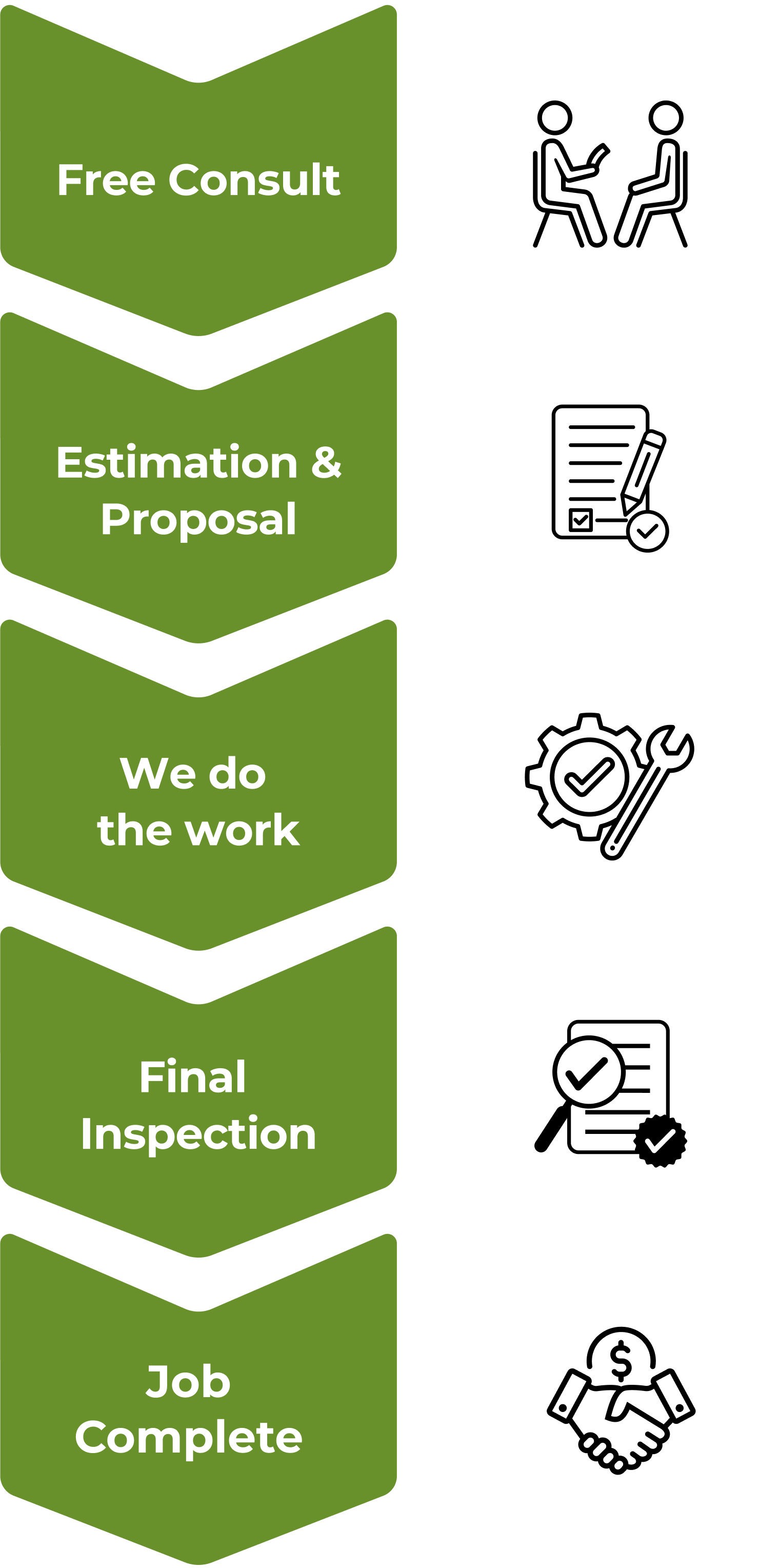
Our process is simple and only contains a few simple steps

SERVICE AREAS
proudly serving Bentleigh

FREQUENTLY ASKED QUESTIONS
Your questions answered
What timber fence style suits older homes in Sandringham?
Timber paling fencing can suit many older Sandringham properties, including Californian bungalows, weatherboard homes and post-war houses. The right design depends on the fence location, existing garden and surrounding streetscape. Front fences may be subject to different requirements from side and rear boundaries, so check the relevant planning controls before choosing the height and layout.
Are there council rules for timber fencing in Sandringham?
Sandringham falls within Bayside City Council. Fence requirements can depend on the proposed height, location and planning controls applying to the property. Heritage overlays or neighbourhood-character provisions may affect some sites. Check the property's planning information or contact council before changing a front fence or proceeding with work that may require a permit.
Who pays for a dividing fence between Sandringham neighbours?
Under Victorian fencing laws, adjoining owners generally share the cost of a sufficient dividing fence, although the circumstances and any agreement can affect each owner's contribution. Discuss the proposed fence and costs with your neighbour before work begins. Stronghold Fencing splits the bill and collects the neighbour's share, helping simplify payment arrangements for both households.
Why might an older timber fence in Sandringham need replacing?
A fence may need replacing when several posts lean, frame connections become loose, palings break or gaps develop across multiple sections. Localised damage may be repairable, depending on the condition of the supporting structure. Checking the posts and frame as well as the visible boards helps determine whether repairing a section or replacing the fence is the more practical option.
Can I install a timber fence while renovating my Sandringham property?
Yes, a fence replacement can be planned alongside other renovation work. Before starting, confirm the boundary position, discuss shared costs with the adjoining owner and check any applicable council requirements. If the property is subject to heritage or neighbourhood-character controls, those rules may affect the fence's permitted height, position or design.
READY TO take the next step?
get a free quote TODAY!
Stronghold Fencing
South East Melbourne
